


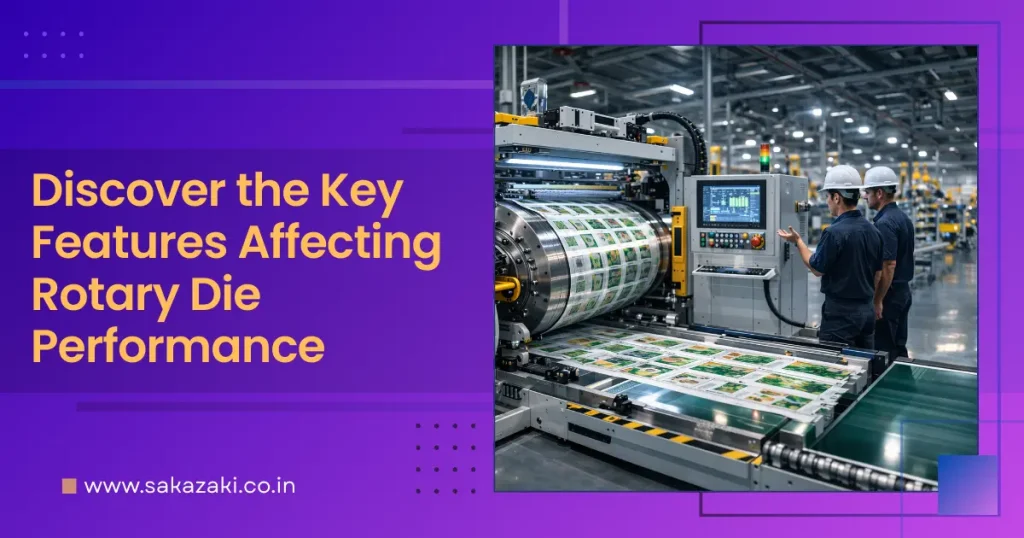
In high-speed manufacturing industries such as packaging, electronics, hygiene products, and medical device production, rotary dies play a critical role in delivering precise and repeatable cuts. These cylindrical cutting tools operate continuously on converting lines, producing thousands of components with exceptional accuracy.
However, the performance and durability of rotary dies depend on several technical factors. When these factors are optimized, manufacturers can achieve longer tool life, improved product quality, and reduced production downtime. Let’s explore the key elements that influence how well rotary dies perform in industrial applications.
1. Die Material and Hardness
The material used to manufacture rotary dies is one of the most important factors affecting durability. High-quality materials offer greater resistance to wear, deformation, and abrasion during continuous production.
Common materials used in rotary dies include:
- High-speed steel (HSS) for high wear resistance
- Tool steel alloys for strong mechanical performance
- Tungsten carbide inserts for cutting abrasive materials
- Surface coatings, such as chrome or titanium nitride, are used to reduce friction and wear
For example, tungsten carbide edges offer extremely high hardness and superior abrasion resistance, making them ideal for demanding applications.
Using the right material ensures that the die maintains sharp cutting edges and consistent cutting accuracy even under heavy production loads.
2. Precision Die Design and Geometry
Another key factor affecting rotary die performance is the design and geometry of the cutting edges. Precision engineering ensures the die produces clean cuts, minimal burrs, and accurate shapes.
Important design considerations include:
- Die shape and blade angles
- Cutting-edge sharpness
- Proper die clearance between the die and the anvil roller
- Balanced stress distribution across the cutting surface
Incorrect clearance or poorly designed cutting edges can lead to excessive wear, uneven cuts, or material deformation during production.
A well-engineered die ensures stable performance and higher production efficiency.
3. Machine Alignment and Operational Parameters
Even the most advanced rotary dies can underperform if the machine setup and operational parameters are not optimized.
Key machine factors include:
- Die-to-anvil gap adjustment
- Cylinder alignment and calibration
- Proper pressure settings
- Speed synchronization with the material web
If the alignment or pressure is incorrect, it may cause uneven cutting forces, premature tool wear, and poor product quality.
Regular calibration and machine maintenance help maintain consistent cutting performance and extend die lifespan.
4. Material Characteristics Being Cut
The type of material processed also significantly influences rotary die durability.
Important material properties include:
- Material thickness
- Hardness and density
- Elasticity or flexibility
- Surface coatings or abrasive components
For example, thicker or harder materials require higher cutting forces, which can increase blade wear and reduce die life if the tooling is not designed accordingly.
Matching the die design with the correct material properties ensures optimal cutting performance and longer tool life.
5. Maintenance and Operating Practices
Routine maintenance is essential for keeping rotary dies performing at their best.
Best practices for maintaining rotary dies include:
- Regular cleaning to remove adhesive residue or debris
- Proper lubrication of machine components
- Periodic inspection for blade wear or damage
- Correct storage to prevent warping or moisture damage
Operating a die-cutting system at excessive speeds or neglecting maintenance can lead to vibration, overheating, and accelerated wear.
Proper care helps ensure consistent cutting precision and reliable production output.
Why Quality Engineering Matters in Rotary Die Performance
When all these factors—material selection, precision design, machine setup, material compatibility, and maintenance—are carefully managed, rotary dies can achieve exceptional durability and cutting accuracy.
For manufacturers seeking high-precision die cutting solutions, companies like Sakazaki specialize in advanced rotary die technologies designed to deliver longer operational life, consistent cutting performance, and reduced downtime in high-speed production lines.
Looking to improve precision and longevity in your rotary die cutting operations? Explore advanced die-cutting solutions engineered for high-performance manufacturing with Sakazaki.